How to Build an AI Influencer in 2026
I started tracking AI-generated influencers seriously in late 2024, when Lil Miquela hit 3 million Instagram followers and brands like Calvin Klein and Samsung started cutting deals with virtual personas instead of humans. What struck me wasn't the follower count — it was the production discipline behind the consistent identity. The personas that worked weren't just pretty renders. They had backstory, posting rhythms, visual grammar, and monetization layers that looked more like media companies than side projects.
This guide covers the practical workflow behind building one from scratch in 2026: persona engineering, niche selection, the identity-consistency problem that kills most amateur attempts, and how the commercial models actually make money.
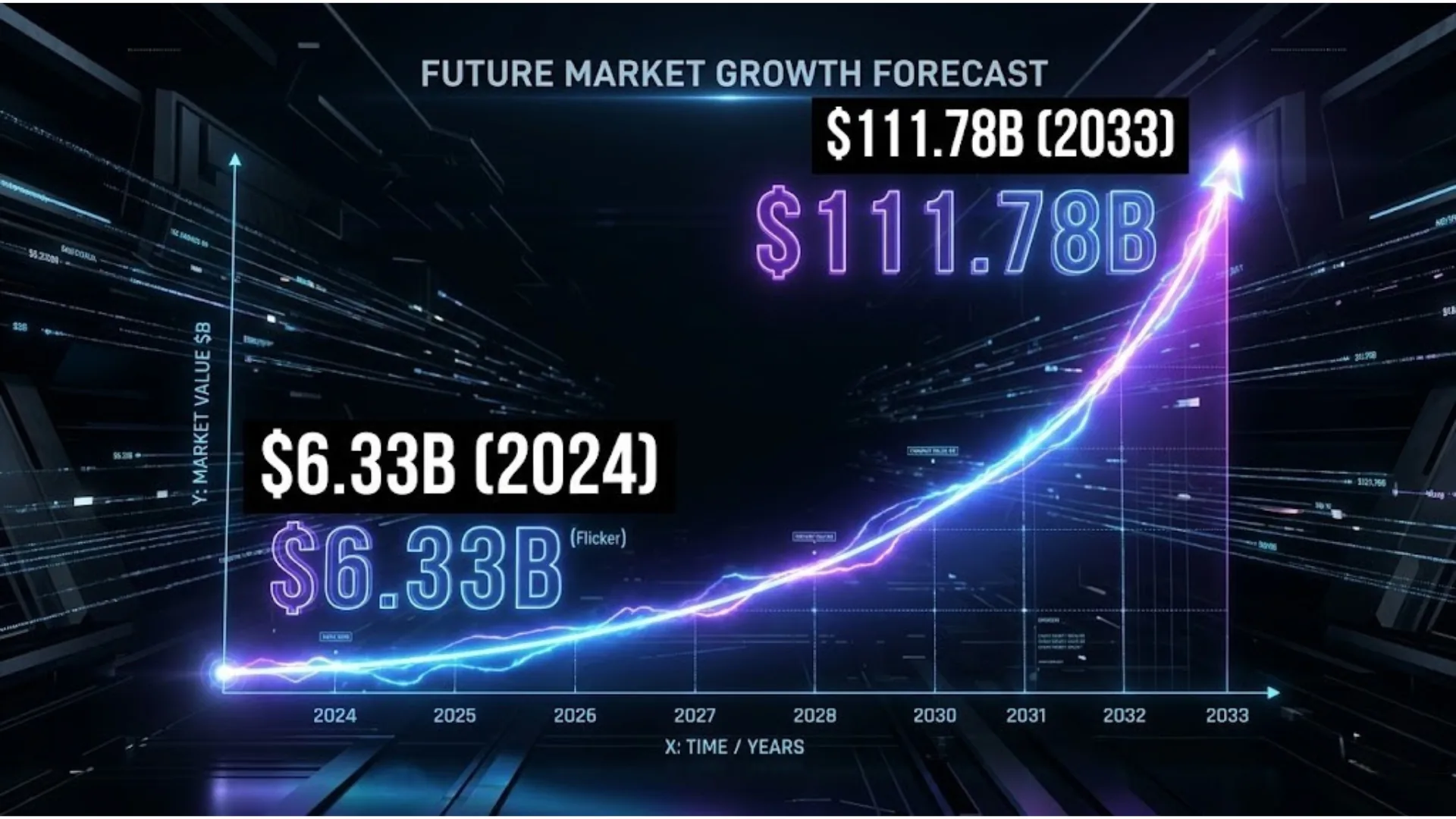
Table of Contents
Why AI Influencers Are Growing Fast
For marketers and entrepreneurs, the business case is clear: an AI influencer creates a persistent, always-on media asset that can publish 365 days per year. There is no travel budget, no schedule conflict, and no creative fatigue cycle to manage.
At the same time, quality standards are higher than ever. Audiences now punish low-authenticity synthetic content quickly, so success depends on consistent identity, believable storytelling, and clear disclosure standards. If you are still building prompt quality fundamentals, start with this AI photo editing prompts guide.
Step 1: Defining the Persona (Audience, Demographics, and Backstory)
Unlike a human creator who discovers an audience over time, an AI persona must be engineered from day one around a clear market need.
Target Audience and Demographics
Begin with revenue signals, not aesthetics. A Gen Z beauty creator on TikTok requires a different vocabulary, posting cadence, and visual grammar than a B2B SaaS educator on LinkedIn.
The "Character DNA"
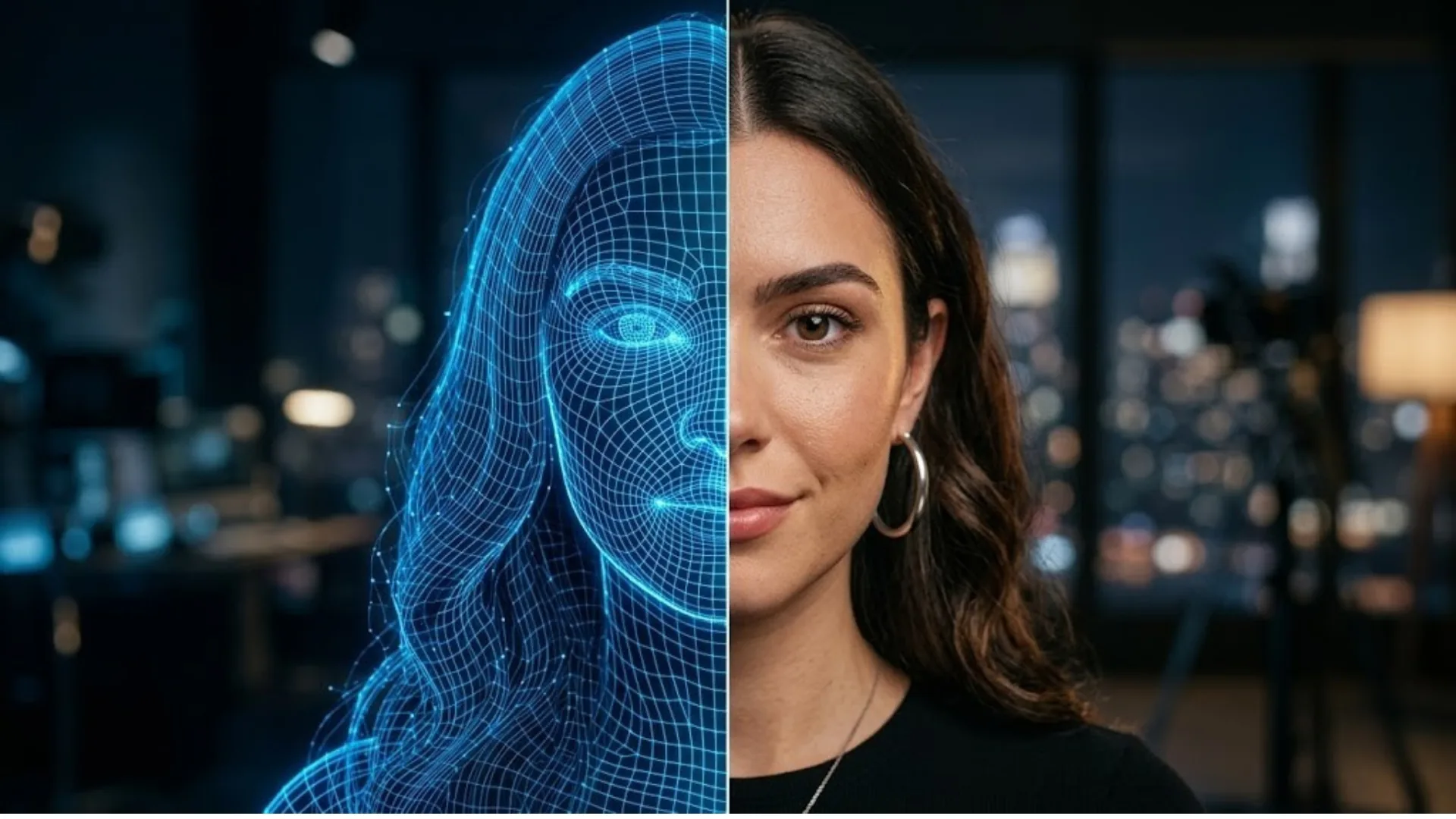
Create a locked identity blueprint that defines exact physical traits: facial geometry, skin tone, hairline, eye spacing, body proportions, and repeatable style markers (for example, a silver hoop in the left ear).
The Backstory (Lore)
In 2026, audiences reject perfect but empty avatars. Your AI influencer needs a believable arc: ambitions, daily routines, constraints, and quirks that make the persona feel grounded rather than synthetic.
Step 2: Choosing a Visually Rich Niche
Your niche defines visual language and monetization potential. Prioritize categories with high visual search demand and repeatable content formats.
Health, Wellness, and Longevity
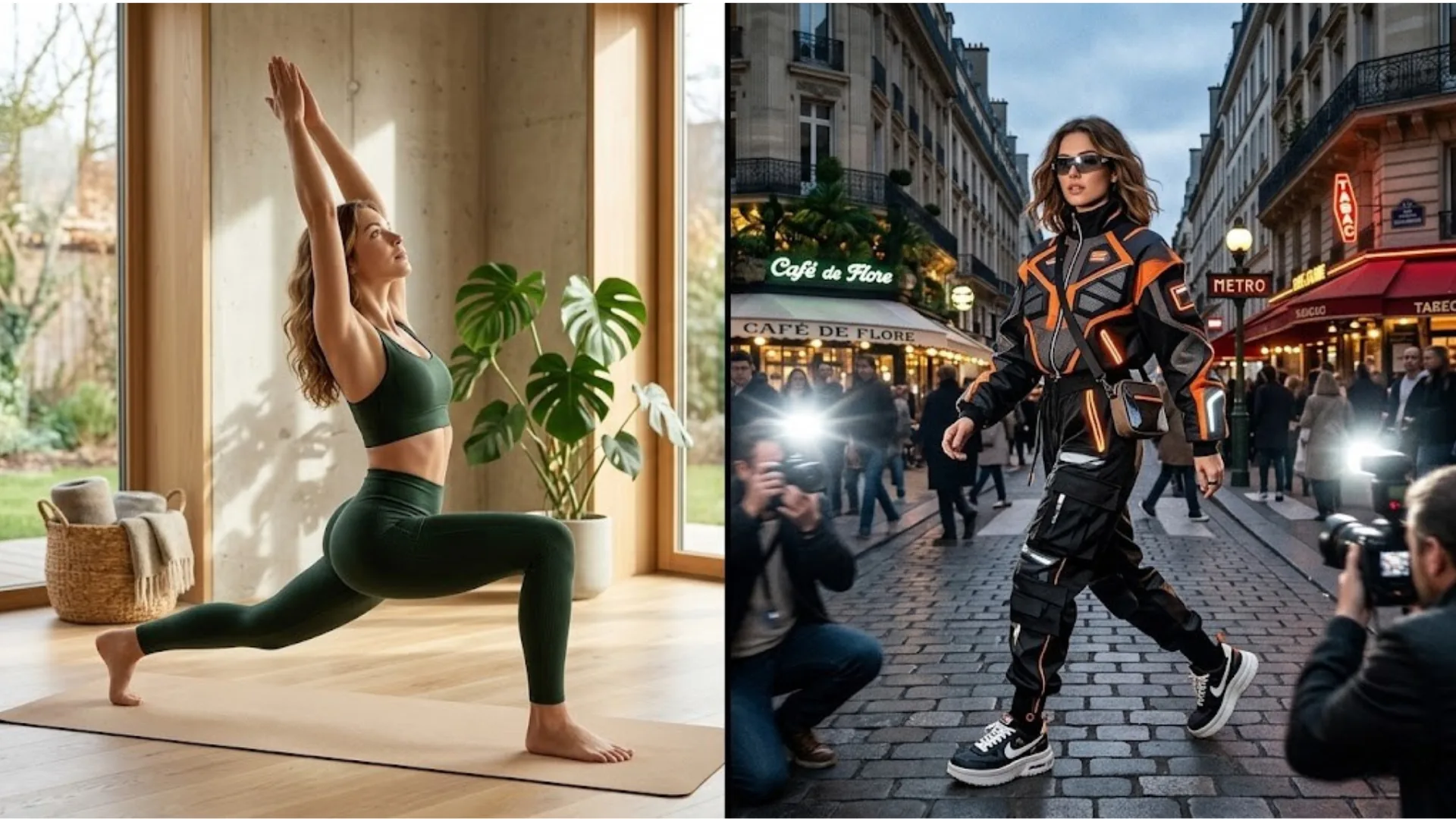
This category has strong demand and recurring sponsorship potential. AI personas can demonstrate routines with precise repeatability across series formats such as mobility drills, home workouts, and nutrition explainers.
Digital Fashion and Style
AI generators are ideal for outfit iteration. A single persona can publish high-frequency style content without sample shipping, wardrobe costs, or production delays. For product compositing and scene updates, tools like AI Replace and AI Background Generator can accelerate turnaround.
The Bridge: The Challenge of Keeping the Influencer Recognizable
Once persona and niche are defined, production enters the hard part: identity consistency. Most generators reinterpret prompts from scratch, so facial structure drifts subtly between runs (jawline, eye distance, hairline), even when wording looks similar.
Models also bias toward overly perfect symmetry. That "plastic perfection" triggers uncanny valley effects and weakens trust, especially on zoomed mobile views where skin and asymmetry artifacts are obvious.
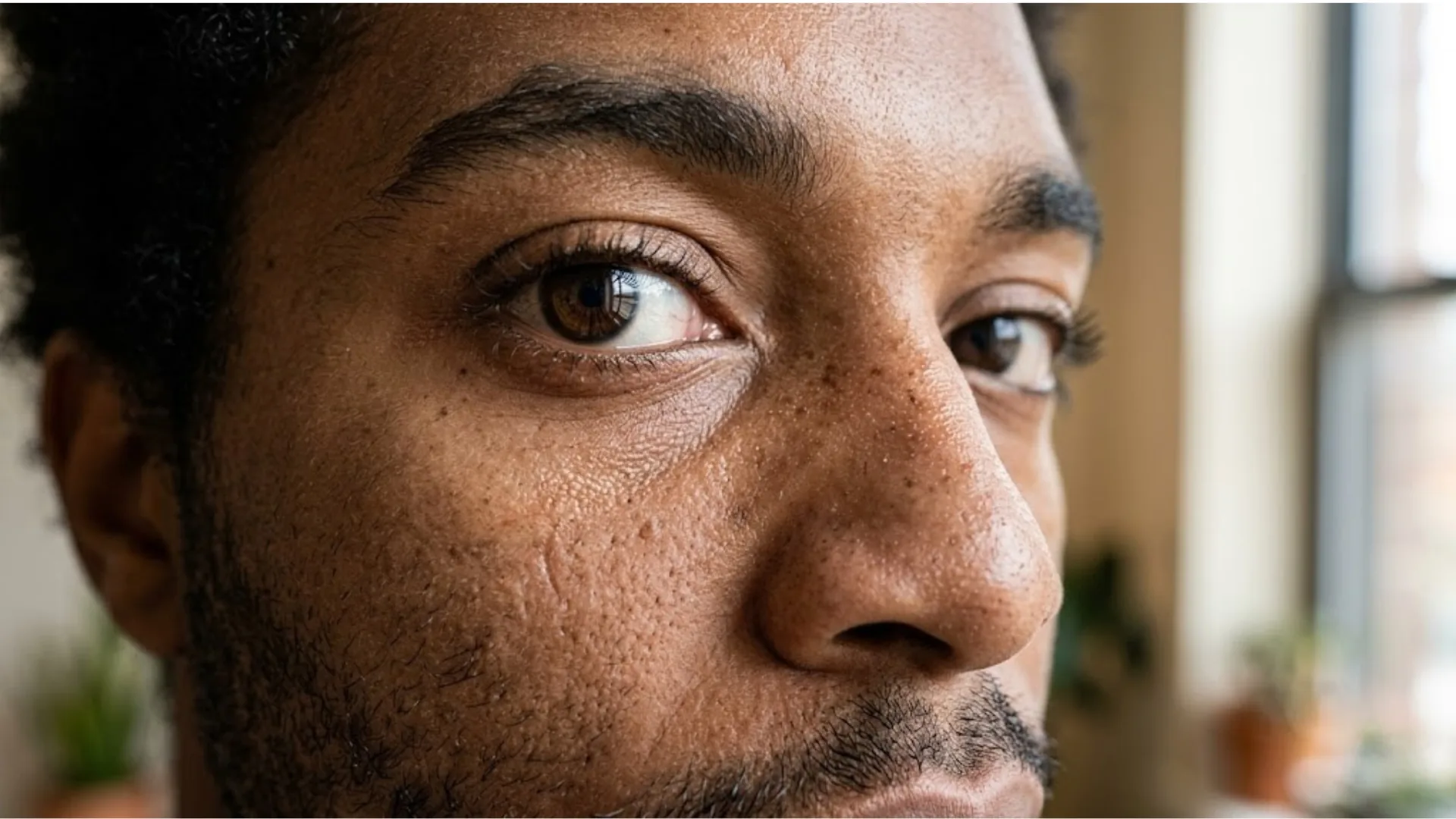
The fix is an anchor workflow: maintain a neutral reference sheet, lock structural tokens, and keep a small intentional imperfection range so the character remains human-looking at close inspection. For pose control and skeletal consistency, many teams use ControlNet pipelines.
Step 3: Scaling Content Production with the BOPA Framework
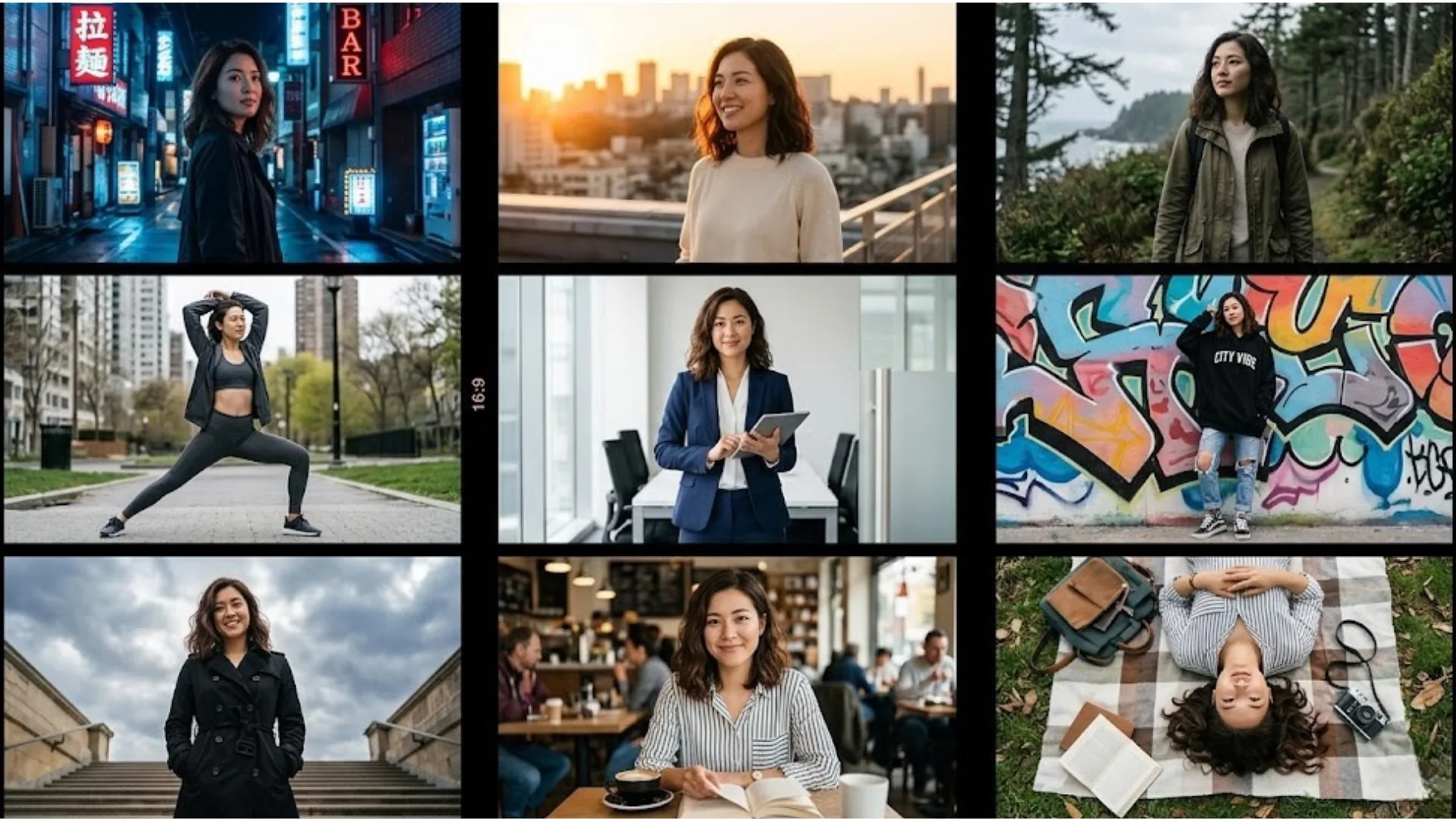
The BOPA framework (Background, Outfit, Pose, Angle) is the operating system for moving from occasional posts to high-volume, high-consistency content output.
B — Backgrounds (Reactive Lighting)
Lighting must react to environment context. Neon streets require colored rim spill, while beach scenes require harder directional shadows. Without lighting coherence, scenes look composited and fake.
O — Outfits (Wardrobe Consistency)
Keep identity tokens fixed while swapping apparel tokens. This lets you rotate trends daily without changing face geometry.
P — Poses (Structural Integrity)
Use pose references and mapping controls to avoid stiff mannequin outputs and anatomically broken hands or joints.
A — Angles (Cinematic Storytelling)
Vary perspective to prevent feed fatigue: 45-degree profile frames, low-angle hero shots, and top-down lifestyle compositions each communicate a different story signal.
How AI Influencers Make Money in 2026
The strongest operators do not rely only on one-off sponsored posts. They combine brand retainers with recurring revenue products: private communities, paid challenges, affiliate stacks, and always-on conversational agents.
If you are building your own stack from scratch, start from a repeatable generation engine using an AI image generator, then add distribution workflows and monetization layers on top.
The next article in this series covers the character-consistency problem in depth: how to keep your AI persona recognizable across scenes without face drift.
Frequently Asked Questions
Do I legally need to disclose that my influencer is AI-generated?
Yes. In the U.S., disclosure requirements apply to sponsored content and synthetic representation. In the EU, transparency obligations under AI regulation also apply. Use clear labels in captions and creative assets, and review the latest FTC advertising guidance plus EU AI Act Article 50.
How much does it cost to run an AI influencer?
Costs range from low monthly software subscriptions to larger custom-production pipelines. Most creator-first stacks run on subscription tools, while fully custom CGI or advanced proprietary systems can require significantly higher budgets.
How do AI influencers generate recurring revenue?
Top models combine sponsorships with recurring products: paid communities, courses/challenges, affiliate programs, licensing packages, and subscriber-based AI assistants tied to the influencer persona.
What is face drift and how do I prevent it?
Face drift is gradual facial change between generations. Prevent it by locking a character DNA sheet, using anchor references, controlling pose/structure, and reusing strict identity tokens in every prompt cycle.